Guide to Kayak Fishing
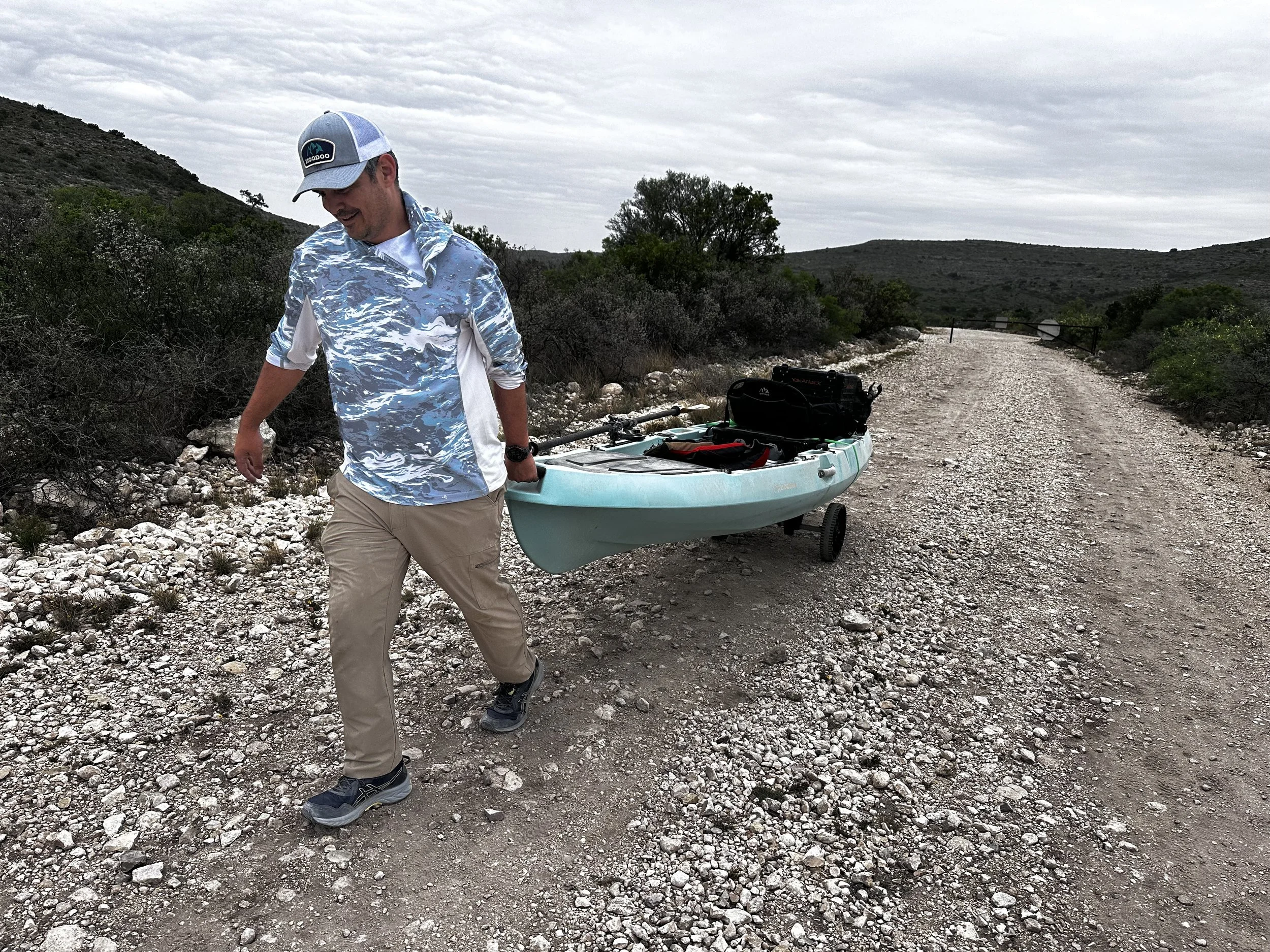
The YakAttack TowNStow helps with the long walks to the launch
Getting Started with Fishing Kayaks
Fishing in kayaks allows access to areas that are often unreachable by larger boats. A paddle-propelled kayak will draft less than 6” and a pedal-drive kayak will draft maybe 12” . The drive can be removed while on the kayak. Kayaks enable you to explore untouched fishing spots where the fish aren’t pressured. If you're new to or exploring kayak fishing, this is your guide to help you get started on your next adventure.
Choosing the Right Fishing Kayak
The hull you choose will determine how your kayak behaves in the water. It is also likely to be the most expensive part of kayak fishing next to motor or fish finder. You can expect an introductory kayak to run between $1000-$2000 with company flagship models running as high as $5000. If you are buying new, I highly recommend renting the kayak you are considering for a weekend before committing.
You can save a little money by watching Facebook Marketplace and eBay for used kayaks. When considering a used kayak you should look over the bottom of the hull for reef rash. Most of the time reef rash is a superficial defect and does not affect the kayak's performance. In some cases it can run deep and develop into stress cracks or even leak.
If everything checks out and you decide to buy a used kayak, a little TLC can make it look like new. Check out how I fixed up my older kayak, yes it is still in service, at Kayak Angler. In a future article, I will go over how to repair a crack in your kayak.
The length of the kayak can affect hull speed and stability. Sit-on-top kayaks range in length from 10’-16’. Sit-on-top kayaks are favored by fishermen. Shorter hulls sacrifice stability and tracking, but they are faster. Tracking is the kayak's natural tendency to resist turning. A longer kayak will be a bit slower, but it will have better stability and tracking. If you plan on traveling long distances on your kayak you will do so more efficiently if your kayak tracks well.
Kayaks weight capacity is determined by the manufacturer. Gear weight and body weight count against the kayaks weight capacity. They affect the overall speed of your kayak as well. Think about the gear you plan on having with you and its weight. Your kayak begins to lose is stability and speed if you go over it's weight capacity.
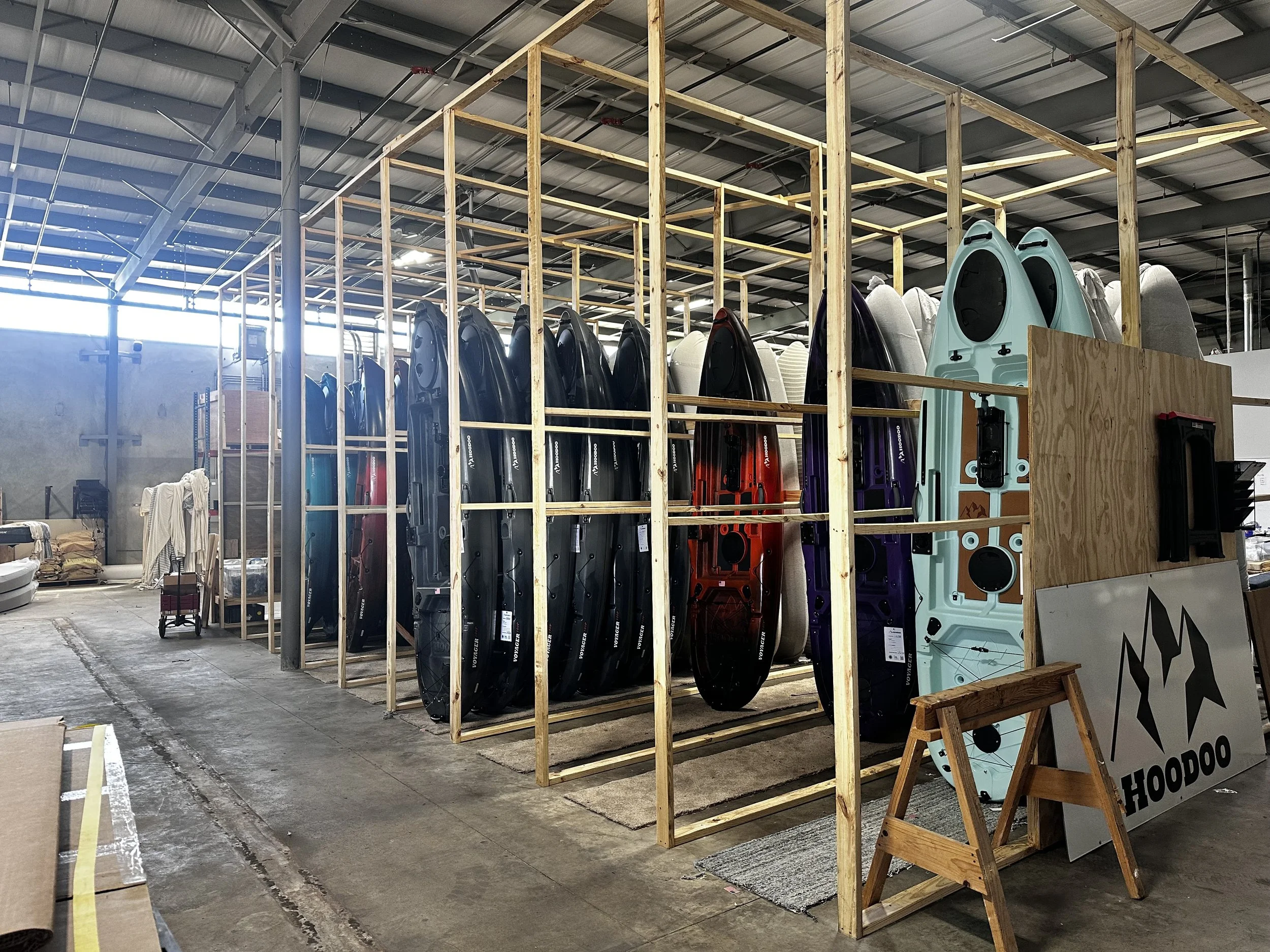
Made in the USA. Hoodoo Sports adds the kayaks Trim In Texas.
Inflatable kayaks have come a long way and many of them are excellent fishing platforms, especially for local neighborhood ponds and parks. New advancements in material and stitching have made the outer shell of inflatable kayaks very strong. Lastly, they pack down, making storage much easier than rigid kayaks. That makes them perfect for those who live in an apartment.
The major drawback of inflatable kayaks is that they cannot be customized in the same way as the rotomolded kayaks on the market. With that said, companies have recognized the demand is growing for a more compact way of getting on the water. They are developing new attachments and features all the time.
Both plastic kayaks and inflatable kayaks now come with two propulsion methods: paddle, and pedal. Fishermen favor pedal-driven kayaks, which keep their hands free while moving from spot to spot. Most fishing kayaks allow for backyard engineering so adding an electric motor is also an option. Check local and state law requirements for registration of kayaks with motors. All kayaks can be used in a multitude of situations. You want a kayak that will do 90% of the things you plan on doing often well.
Essential Gear and Equipment for Kayak Fishing
Essential gear is exactly that, essential. There isn’t going to be a time where you are able to get away without it. Even now in the day of motorized kayaks you will need at a minimum this gear to ensure a safe and fun time on the water:
Comfortable seating. For long days on the water I recommend getting an additional padding for your seat. There are several on the market for different seat designs find one that suits you.
A kayak paddle. A good kayak paddle is lightweight to reduce fatigue during long trips. This is something I would not skimp on, even if you've motorized your kayak. Remember Murphy’s Law.
A PFD. This should go without saying, but the numbers don’t lie. 75-85% of kayakers who die in the U.S. were not wearing a life jacket. There are several types of PFDs out there — check out this source, Boat U.S. Foundationto help you decide what is right for you and your type of fishing. Don’t be a statistic — wear one.
Dry Bag. Don't trust the waterproof rating on your phone. That is, if you can get to it before it hits the bottom of the lake — or find it afterward. That said, I recommend having a dry bag for your phone. Many of them come with a lanyard so you can still get those awesome fishing photos while keeping your phone and other items in dry storage.
First Aid Kit. A first aid kit for your kayak doesn’t have to be anything meant for an EMT. Your basic one will suffice for most trips on the water. Keep a couple of bandages, gauze, and tape in your water proof bag just in case.
Gear Leash and Floats. Fishing gear isn’t cheap. A leash or rod float on your rods can prevent costly rods from ending up on the bottom. At a minimum, consider a paddle leash — you'll need it to at least paddle to shore.
YakAttack Visible II A high-visibility flag and 360-degree light are essential safety equipment, since kayak-and-boater collisions have increased in recent years.
These are just the basics. You can be as geared up or minimalist as you want to be. That is part of the appeal of having a kayak.
Setting Up Your Kayak for Fishing
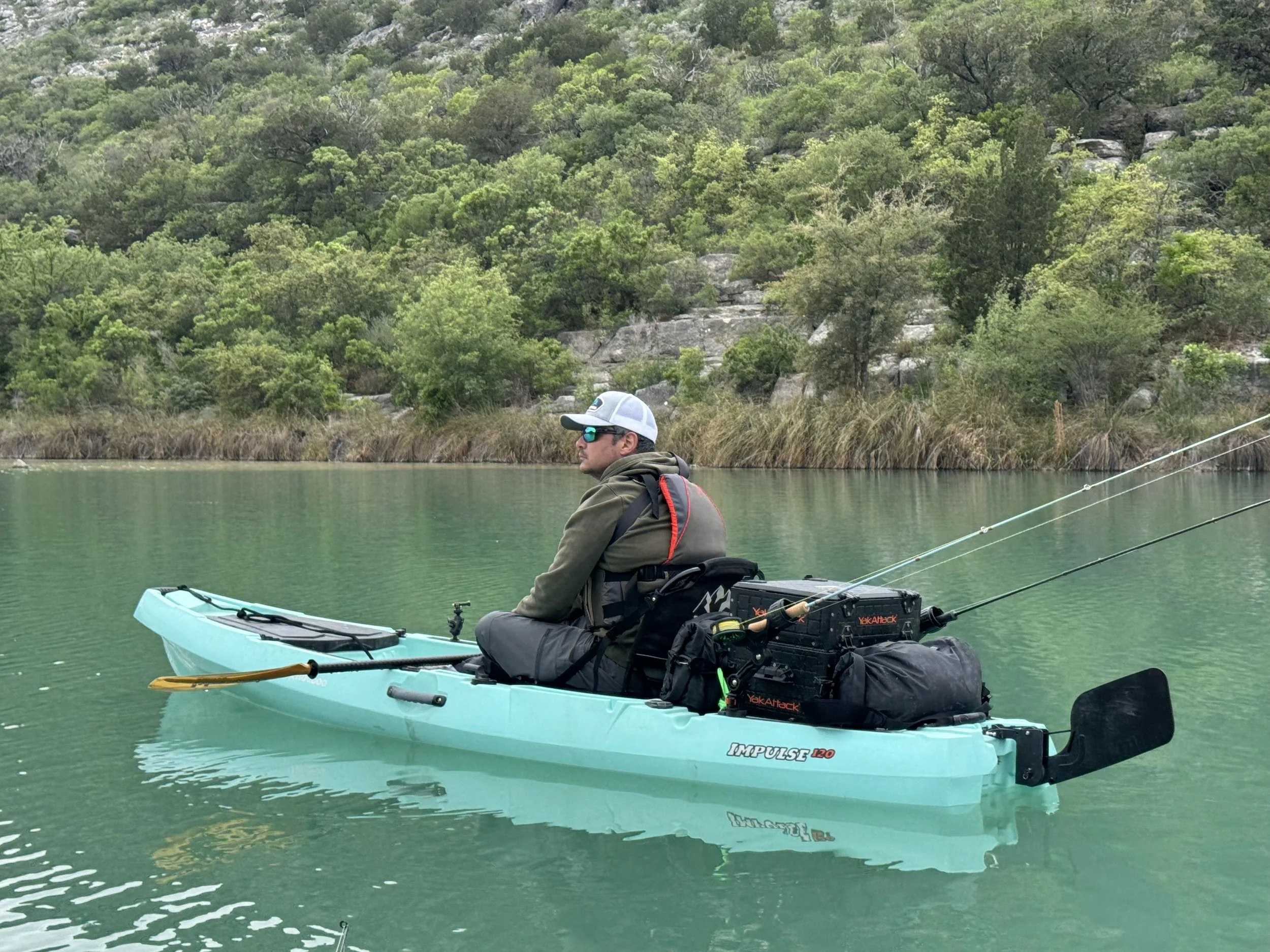
I recently rigged up my Impulse 120 for right around $1000. Check out the article I did on it for Hoodoo Sports. seen and heard the kayak community and developed some amazing products here are a few of my favorites:
YakAttack Blackpak ProIs a great enclosed storage system that fits a tone of tackle. I have found mine to be pretty water resistant.
YakAttack Rod Holder There are other rod holders out on the market that can be used. This is my favorite because it is able to be locked in many different positions.
YakAttack Anchor TrollyIt takes about an hour to install. The benefit? You have more control of your kayak's positioning.
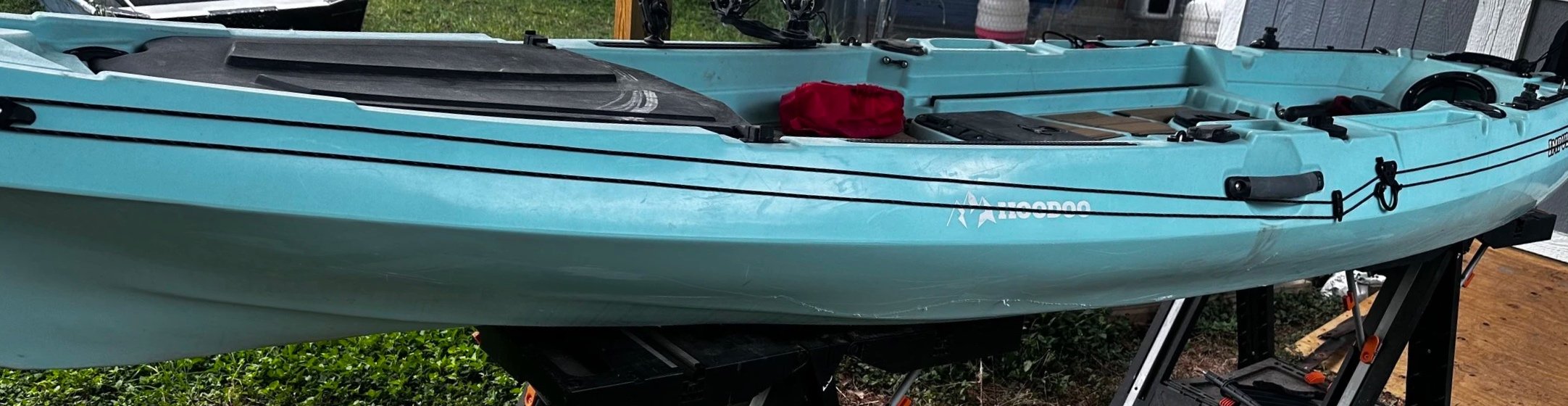
Anchor Trolly runs the entire length of the kayak.
Lowrance Fish FinderInput your favorite brand here —. Fish finders provide you with a lot of good information to help you find fish, water temperature and depth are just a few. Competitive kayak anglers have even more electronic devices rigged to optimize their fishing. Check some of them out on YouTube for ideas.
Drift AnchorYou can only carry so much anchor line on a kayak. A drift anchor allows you to control your drift speed over that productive deep water structure.
Fishing Gear If you're inshore fishing or just on a local pond no fishing trip is complete without fishing gear. There are endless setups you can optimize for on your kayak. For those who like to troll deep in the lakes of main consider adding a down rigger and extra fishing rod holders to expand your spread.
I've also backyard-engineered custom gear you can't buy off the shelf — partly just to save a little money. One of my favorites, the live well. Check out these articles at Kayak Angler to get those creative juices flowing:
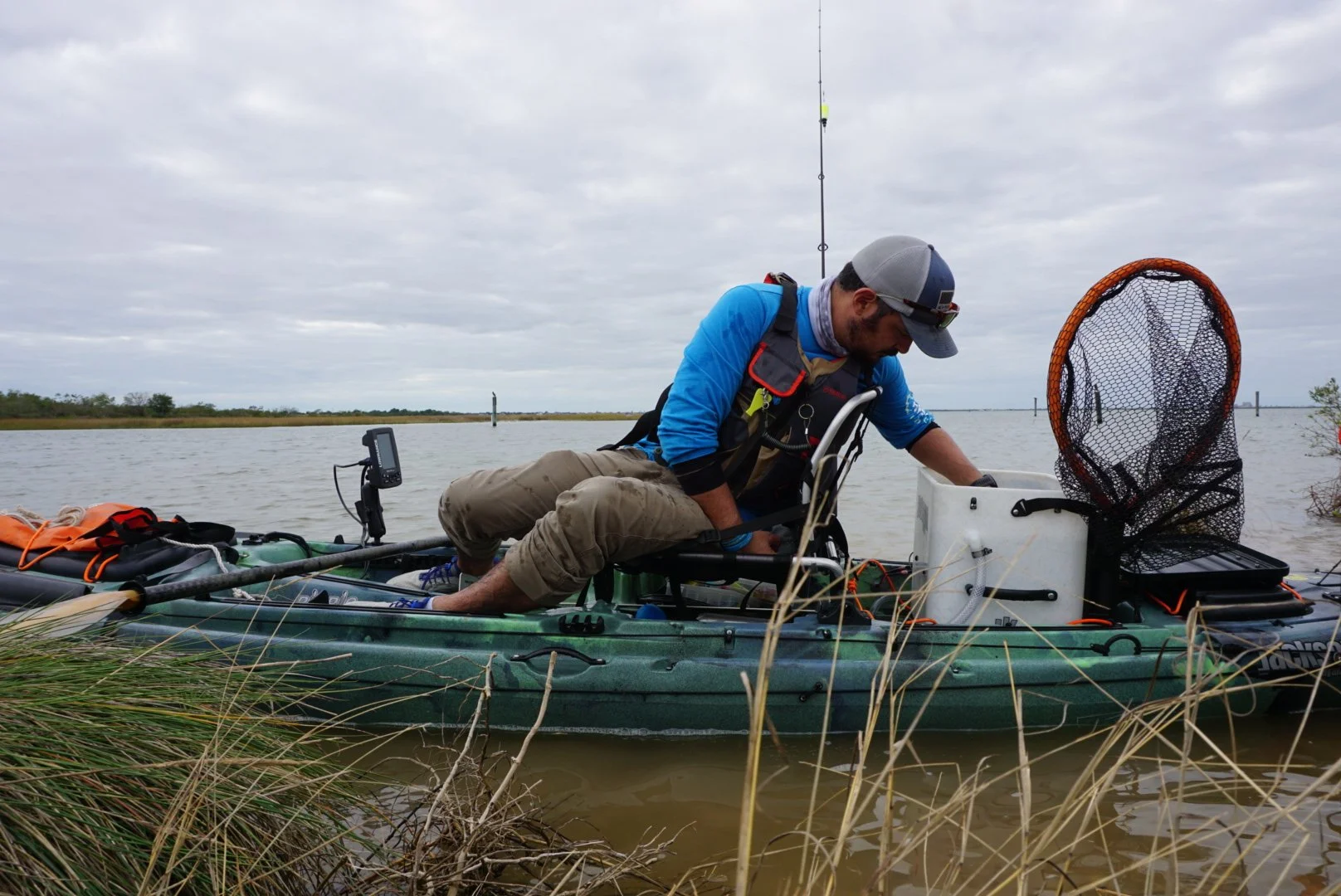
The bait well, lights and other customizations I did run off of one battery from a bank of switches I installed..
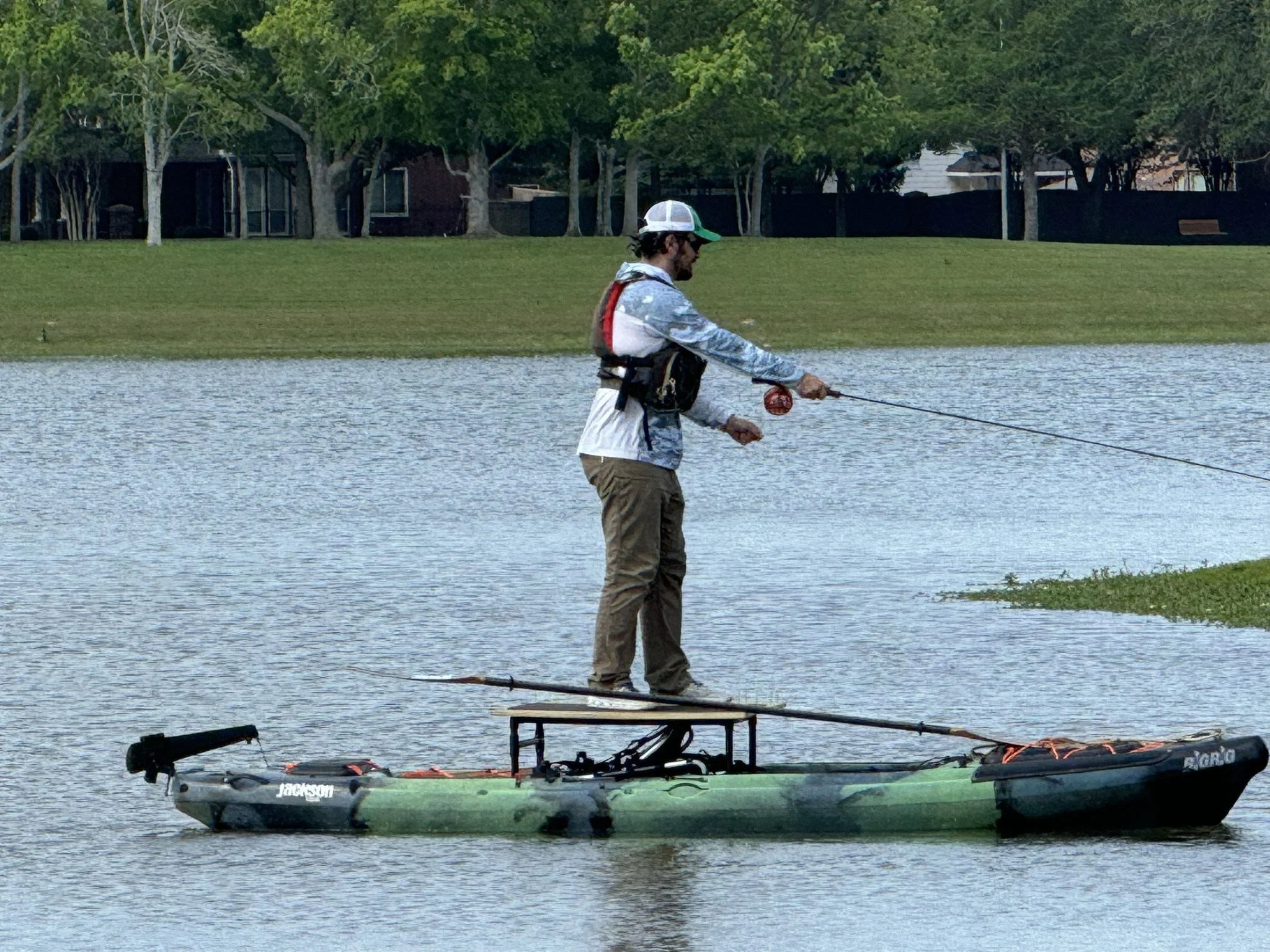
I fell off and lost my seat on the first design iteration. It was much higher and was installed closer to the stern. When you make yours be sure to test it before bringing on a bunch of gear.
Kayak Fishing Tips for Beginners
Fishing from a kayak is about the same as fishing from a bass or bay boat, with a few key differences. To start, kayaks are not as heavy. They move much easier through the water. So, when you either catch a snag or swing hard into a hook set you will move the boat. This doesn’t mean you'll have fewer solid hookups. It just means you as the angler need to be aware of boat positioning and make it work for you and your style of fishing. Large baits that move a lot of water can also bring your kayak out of position. It is important to take some time seeing how your kayak reacts while on the water.
Pro-tip: If you are in a pedal drive kayak with an instant reverse like the Hoodoo Voyager use it to help you remove slack and give yourself a little momentum in the opposite direction. Your hook sets will be like no other.
Kayaks can get you into waters boats simply can't reach. They can help you cover water. They do have the drawback of taking longer to get from place to place. Plan your trips with this in mind. If you want to fish in the back lakes and marshes on the Texas coast don’t pick the boat ramp 2 miles away. Go for something closer. You have a lot of flexibility in launching your kayak, just make sure to check local ordinances. Be aware of your surroundings and always make sure you have permission from landowners.
Pro-Tip: Google earth or apps like OnX are great tools for finding launch points and identifying if the route to the launch is public or not.
Most of the time fishing isn’t about the bait but about where that bait is in relation to the fish. Get it in the right spot and it will get bit. Kayaks make virtually no sound on the water. Wake slap, motor sounds, etc., are not a thing — at least not on the paddle- or pedal-driven versions. Which means as a beginner you do not have to be an expert in casting. Move in close to your target where you can constantly and accurately put the bait where it needs to be.
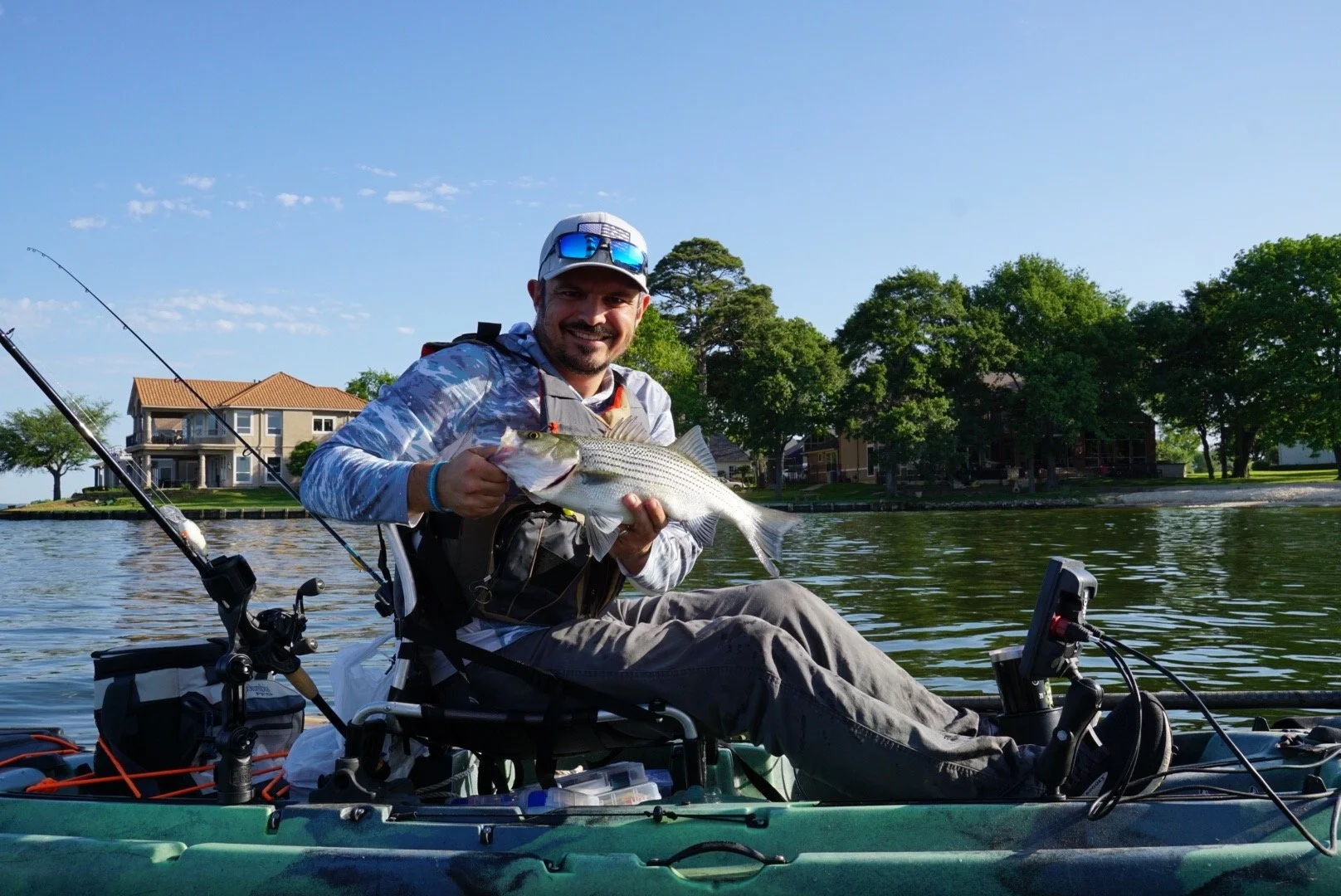
Trolling on Lake Conroe for Hybrids
Pro-Tip: Learning to work a new bait? Practice standing in your kayak. You will have better visibility. The fish will let you know if you’re working it right.
Safety Considerations for Kayak Fishing
I fish in the reservoirs and bay in Texas. On the weekends you will encounter boat traffic. Kayaks have a low profile on the water and on choppier days they can be hard to see for boaters. For that reason, I cannot stress enough how important it is to have the following safety gear.
Over the years I have owned several types. They come in various lengths. You will need a flag equipped with a light for low-light conditions or if you’re out after dark. They also come with different mounting equipment. Some will mount directly to a gear rail while others will require you to install a mount. I have had ones that use gear tracks, and ones that fit in rod tubes. The one I currently use came with a bracket that must be installed in the hull of the kayak. Remember, when drilling into your hull, always use waterproof silicone with the screws to keep water out.
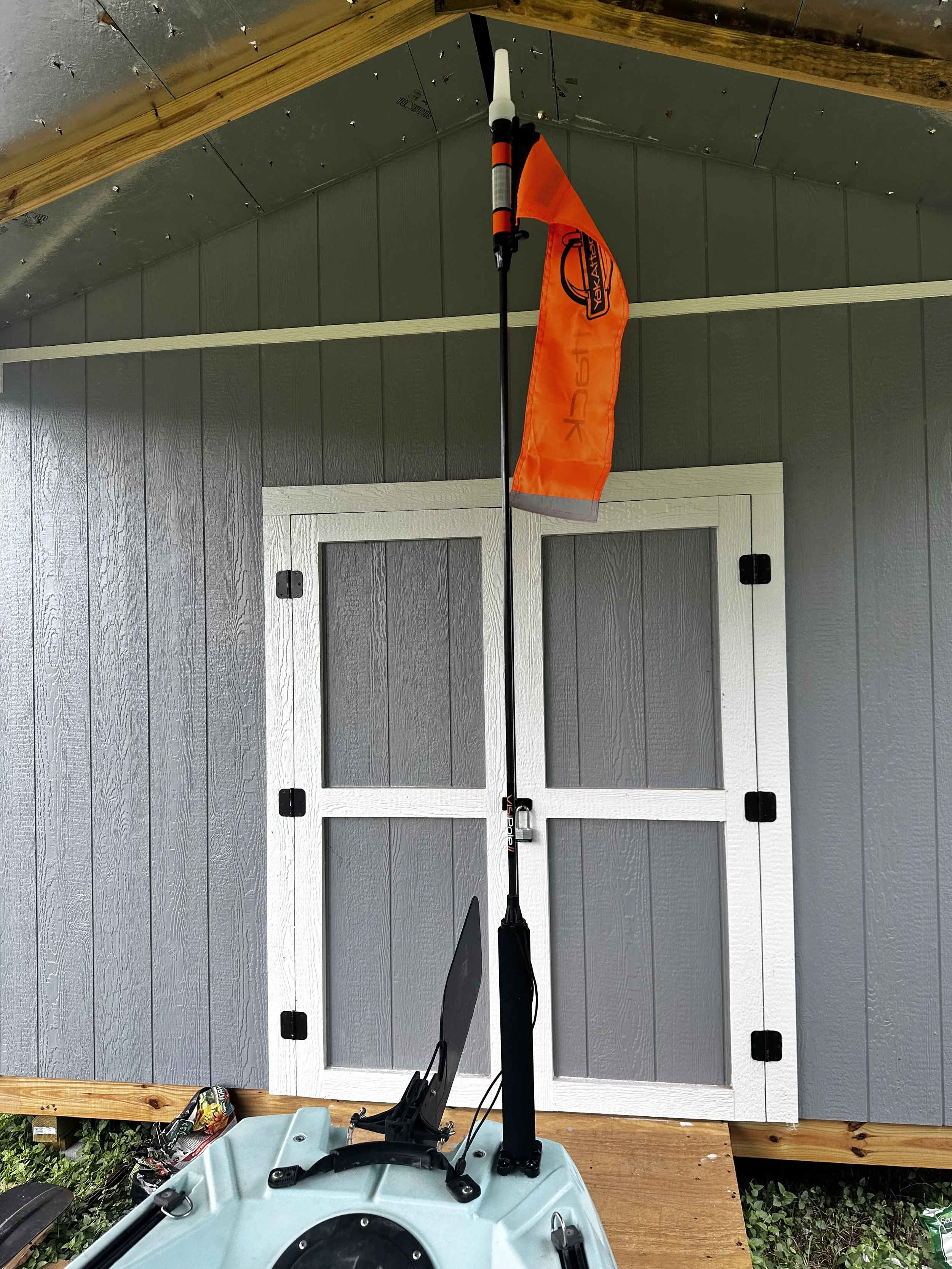
Check out Hoodoo Sports How-To
Navigational Lights
Kayaks aren't required to carry the full suite of navigational lights larger boats need, but you should still run basic lighting after dark. Check out Kayak Angler Issue 55for a how-to install kayak lighting.
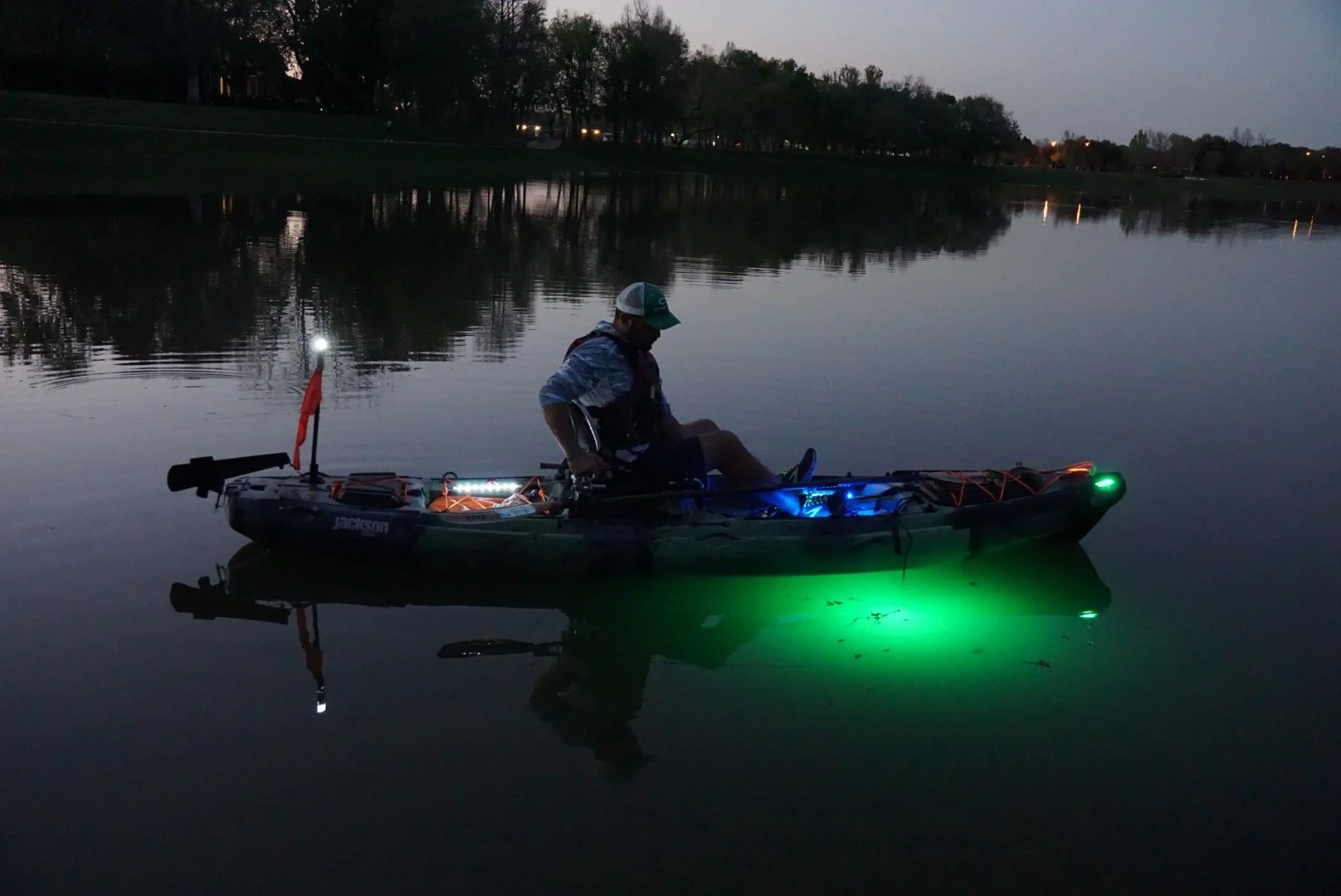
I even have my own portable green fish light.
Life Jacket
You will need a life jacket. The U.S. Coast Guard reports that 50-100 kayaking deaths occur annually. Most of them drowned. So, I recommend spending a little bit of money on it. You will be wearing it a lot on the kayak. Make sure it is comfortable and fitted properly.
Not all life jackets are the same. There are “types” ; each type is categorized by the U.S. Coast Guard for specific characteristics. Most paddle sport life jackets are type 3. The BoatUS Foundation has a good basic overview of the types of life jackets. You may consider a different life jacket type depending on the type of fishing you do out of your kayak.
Life Jacket Accessories
Some come with safety whistles and others do not. A safety whistle can alert others you are in distress and they cost $10 or less.
If you are planning to do any night fishing in your kayak, get a hydrophobic light and attach that to your life jacket in case you fall off. A hydrophobic light is water-sensitive. When they get wet they will turn on making you more visible to rescuers.
Avoid the Crowds
Remember you can get where other boats cannot. Simply avoiding the main sections of the lakes and bays means you can go a whole day without seeing a soul. It will keep you safer and likely on top of less pressured fish.
Getting into and out of Trouble
Do something long enough, eventually, you will end up in a position you didn’t want to be in. Flipping a kayak can be a heart-thumping experience. You should learn how to re-enter your kayak in deep water. There are great YouTube videos out there that can help you mentally prepare. Nothing beats practice, so before you're on the water for real, practice re-entering your kayak from deep water in a controlled environment.
Here is how to right a kayak.
Position yourself in the middle alongside your kayak.
Boost yourself over the kayak and reach for the opposite side, grabbing ahold of the edge or handle.
Slowly pull the edge towards your body. Sinking your hips downward helps. Then roll the kayak right-side up.
In emergency situations, you want your training to take over. I recommend taking a boater safety course. They now offer them specifically for paddle sports like kayaking. Check out your state's wildlife department or Tow Boat USA to find a class near you.
It’s not Complicated
Kayaking doesn’t have to be complicated. A kayak, a fishing rod, and a few hours on the water can take you farther than most people think. For your first kayak, keep it simple. Stick to smaller ponds and keep your gear minimal — or better yet, rent a kayak for a weekend first. See how you like it. I think you'll find that the freedom of having your own kayak, even a simple one, will get you out on the water more often than you do now.
Hunt Fish Explore